Cox’s Bazar — Walking the Edge of the World!
The World’s Longest Natural Sandy Beach | Cox’s Bazar, Bangladesh!
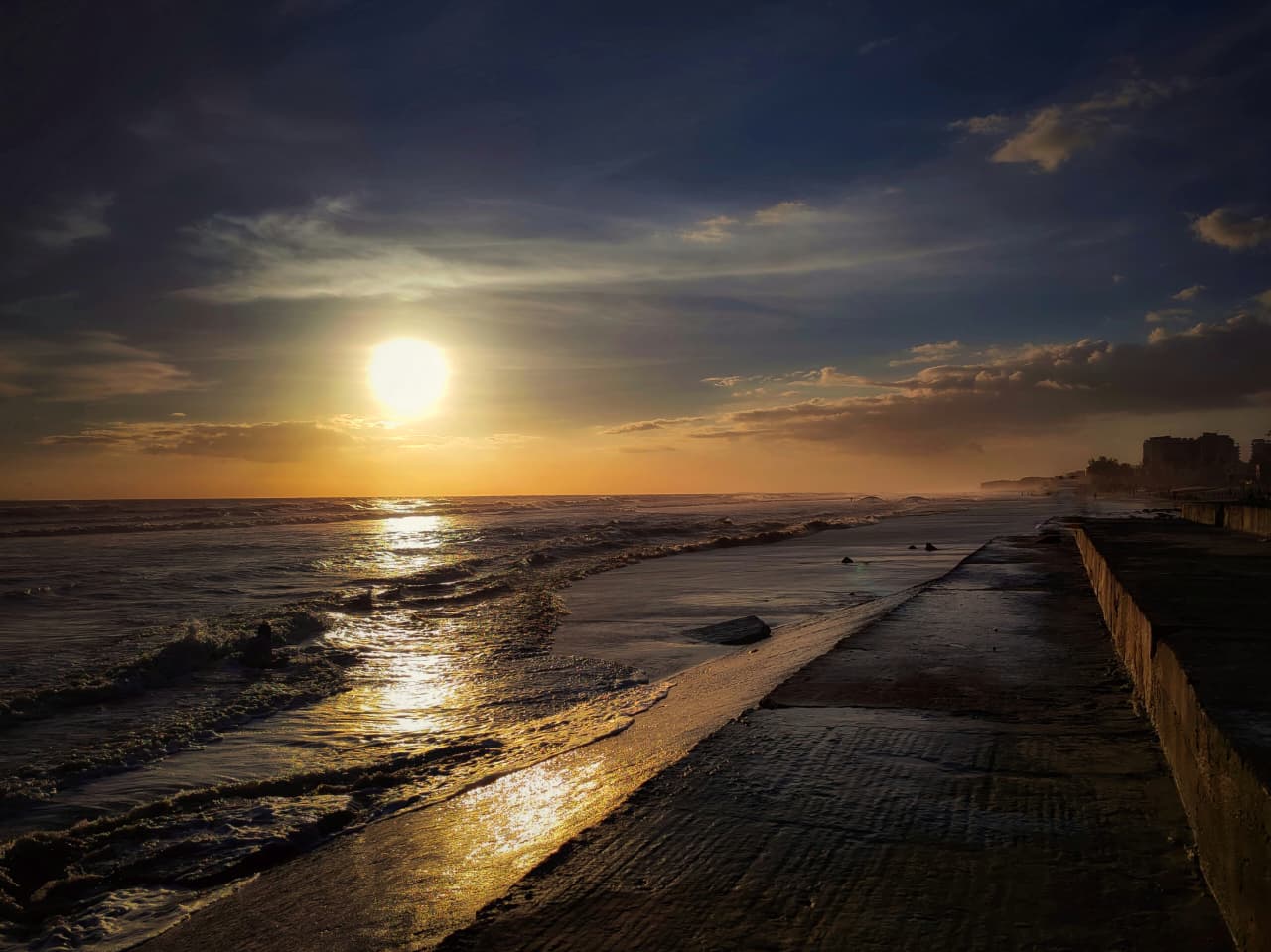
I’ve lived here long enough to know that most people come to see this beach. But very few come to walk it. All 120 kilometres of it. Or at least, a meaningful, soul-stretching chunk of it — because this isn’t just any beach. This is the longest unbroken natural sandy sea beach in the world. And it deserves more than a selfie and a plate of fried hilsa.
The Start: Kolatoli to Laboni
I began at dawn, when the sky was still deciding between purple and gold. The Kolatoli beach end was already stirring — fishermen dragging their colourful wooden boats back from the night sea, their nets heavy with the Bay of Bengal’s generosity. The air smelled of salt, diesel, and something faintly floral I never quite identified. Maybe the sea has its own blooms.
I walked south first, toward Laboni — the tourist heartland. At this hour, before the beach umbrella vendors arrived and the tourist crowds descended, Laboni was surprisingly quiet and absurdly beautiful. The sand here is fine, almost powdery, the colour of pale gold, and it stretches so far in both directions that the horizon swallows it at both ends. You get this vertiginous feeling — like the earth is just more here. More wide, more open, more generous.
The waves of the Bay of Bengal don’t crash here the way Himalayan rivers crash against boulders. They arrive in long, low rolls — patient, unhurried — and then retreat with a soft hiss, pulling tiny shells back into themselves. Walking at the waterline, where the sand is firm and wet, is the closest thing I know to walking on polished marble — except the marble breathes.
Inani: Where the Beach Gets Dramatic
About 35 kilometres south of Cox’s Bazar town lies Inani Beach, and if Laboni is the beach’s welcoming face, Inani is its wild, unruly soul.
The landscape shifts here. Coral rocks — ancient, barnacled, sculpted by centuries of tide — begin to appear at the waterline. Some stand alone like little monuments. Others cluster together in formations that look intentional, like someone arranged them. At low tide, tidal pools form between the rocks, and if you crouch down and look carefully, you’ll find entire miniature ecosystems — tiny crabs, sea anemones, translucent shrimp darting in and out of crevices.
I sat on one of the larger flat rocks for a while, doing absolutely nothing, which is harder than it sounds. A group of local boys were swimming nearby, their laughter carrying over the water. A woman in a bright red saree walked along the shore, completely unperturbed by the waves lapping at her feet. Two crows fought over something on the sand with great theatrical seriousness.
Life, unhurried and unperformed.
Himchari: The Green Interruption
Between Inani and the further stretches of the coast lies Himchari — where the beach briefly surrenders to the hills. The Himchari National Park presses right up against the shoreline here, and the effect is extraordinary: dense, dripping tropical forest on one side, the vast silver-blue Bay on the other, and you — a small human — walking the narrow strip between them.
A waterfall tumbles down the hillside here during the monsoon months and trickles even in the dry season, disappearing into the sand just metres from the sea. I’ve always found this detail quietly spectacular — fresh water meeting salt water, one journey ending just as another begins.
The forest is alive with sound. Bulbuls, doves, the occasional shriek of something unseen. Monkeys observe you from the treeline with an air of mild disapproval. The trail here becomes less beach and more path, winding up into the hills for panoramic views before descending back to the shore.
Stand at the right vies point at the right time of day, and the beach unspools below you in both directions — a pale, shining ribbon at the edge of the world.
Teknaf: The Southern End
Most hikers don’t make it to Teknaf. It’s far — a full day’s journey south, near the Myanmar border — and the trail becomes less defined, the beach narrower, the scenery wilder and less visited. But those who do are rewarded with something rare: a beach with almost no one on it.
Here, the Bay of Bengal feels immense in a way that’s almost intimidating. The water is a deeper blue, the waves slightly stronger, the sky — uninterrupted by buildings or beach chairs — enormous. Fishing villages dot the shoreline, and if you stop and linger, someone will inevitably offer you tea. Sweet, milky, poured from a great height into a small glass. You’ll accept it gratefully.
The sunset from Teknaf doesn’t announce itself. It just happens — slow and golden and total — and when it’s done, the beach becomes a dark, breathing thing, lit only by the phosphorescence in the waves and the lights of fishing boats far out at sea.
Hiker’s Notes
Best season: November to March. Avoid monsoon (June–September) — beautiful but logistically challenging.
Start early. The midday sun on open sand is unforgiving.
Footwear: Barefoot at the waterline is the finest option. Sandals for rocky sections at Inani.
Stay hydrated. Coconut water vendors appear at regular intervals like friendly miracles.
Respect the fishing communities along the route — they live and work here; we are guests.
Don’t rush. This beach is 120 kilometres long. It isn’t going anywhere. Neither should you. Cox’s Bazar doesn’t need superlatives. The longest beach in the world is also, simply, one of the most human ones — full of fishermen, families, birds, and the patient, ancient sea. Walk it slowly. It will stay with you.